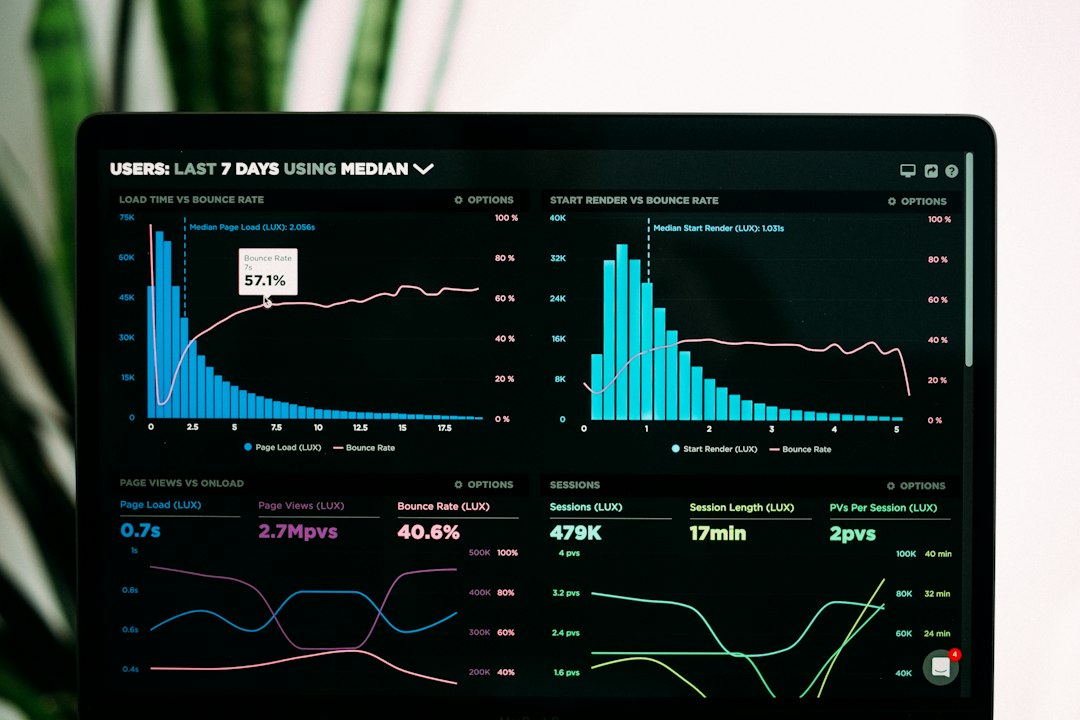
The energy sector stands at a pivotal juncture in 2026, driven by an urgent global transition toward decarbonization and a simultaneous need for grid stability. As utilities, commercial facilities, and industrial operators navigate the complexities of intermittent renewable sources and volatile market prices, the reliance on sophisticated data tools has never been more critical. Energy analytics software has evolved from simple reporting dashboards into intelligent, predictive engines capable of optimizing assets in real time. For organizations looking to future-proof their operations, selecting the right technology stack is essential for achieving accurate forecasting, maximizing operational efficiency, and securing profitability in a competitive landscape.
The Evolution of Energy Analytics in 2026
By 2026, the definition of energy analytics has expanded significantly beyond historical consumption tracking. Modern platforms now integrate the Internet of Things (IoT), artificial intelligence (AI), and machine learning (ML) to create a dynamic view of energy ecosystems. These systems ingest vast amounts of data from smart meters, on-site generation assets like solar and wind, and distributed energy resources (DERs). The primary value proposition has shifted from reactive reporting to proactive management, allowing stakeholders to anticipate market shifts and operational bottlenecks before they impact the bottom line.
This evolution is particularly important for the integration of distributed energy resources. As microgrids and rooftop solar installations become more common, aggregating data from these fragmented sources requires robust software that can handle heterogeneous data formats and high-frequency updates. The software must not only monitor consumption but also understand the bidirectional flow of energy, where consumers act as prosumers, feeding power back into the grid during peak production hours.
Core Capabilities: Forecasting, Efficiency, and Profitability
To effectively evaluate energy analytics solutions, one must look at the three pillars that drive success in the current market: accurate forecasting, operational efficiency, and profitability.
Predictive Forecasting and Market Awareness
Forecasting remains the backbone of energy strategy. In 2026, the best solutions utilize advanced algorithms to predict demand and supply with high precision. These platforms analyze weather patterns, historical usage, economic indicators, and even local event data to forecast load profiles for days or weeks ahead.
Furthermore, market awareness capabilities have become indispensable. With energy prices fluctuating rapidly based on supply and demand dynamics, software that provides short-term price forecasts allows operators to optimize their trading strategies. For instance, a commercial building manager might adjust thermostat settings or shift non-essential loads to coincide with periods of low electricity prices, thereby reducing costs. Similarly, utility operators use these forecasts to balance the grid, ensuring that supply meets demand while minimizing the need for expensive peaker做功.
Operational Efficiency and Asset Optimization
Efficiency is no longer just about reducing consumption; it is about optimizing the performance of every asset in the energy portfolio. Modern analytics software provides deep visibility into energy flows, identifying inefficiencies that are invisible to traditional monitoring tools.
For industrial facilities, this means analyzing the efficiency of specific machinery or production lines. By correlating energy consumption with production output, the software can calculate real-time efficiency metrics, highlighting equipment that is underperforming or consuming excessive power relative to its output. This data-driven approach enables maintenance teams to perform predictive maintenance, addressing issues before they cause costly downtime.
In the context of renewable energy, efficiency tools focus on the performance of generation assets. Solar and wind turbines are subject to degradation and environmental factors. Analytics platforms continuously monitor performance against expected theoretical outputs, flagging underperforming assets for immediate attention. This ensures that the investment in renewable infrastructure yields the maximum possible return, protecting the asset value over the long term.
Profitability Through Strategic Decision Making
While cost reduction is a primary driver, the ultimate goal of energy analytics in 2026 is profitability. This is achieved through a combination of cost savings, revenue optimization, and risk mitigation.
Cost savings are realized through automated demand response programs and intelligent load management. The software can automatically curtail non-critical loads when prices spike or when grid congestion is detected, avoiding expensive peak charges. For businesses with large energy footprints, these savings can be substantial.
Revenue optimization is particularly relevant for entities with on-site generation. By analyzing weather forecasts and market prices, the software can determine the optimal time to store energy in batteries or sell excess generation to the grid. This active management of energy assets transforms a cost center into a revenue stream, enhancing the overall financial health of the organization.
Risk mitigation is another critical aspect. Energy markets are volatile, and regulatory landscapes are changing. Analytics software helps organizations navigate these uncertainties by providing scenario analysis. Stakeholders can simulate different outcomes—such as a sudden drop in solar irradiance or a price spike due to supply constraints—and develop contingency plans. This preparedness reduces exposure to financial shocks and ensures compliance with evolving regulatory requirements.
Key Features to Look for in 2026 Solutions
When evaluating energy analytics software, technical robustness and user experience are paramount. The following features distinguish top-tier solutions from basic monitoring tools.
- Real-Time Data Integration: The ability to ingest, clean, and normalize data from diverse sources in real time is crucial. Solutions should support protocols like Modbus, BACnet, and various cloud APIs to ensure seamless connectivity with existing building management systems (BMS) and utility meters.
- Cloud-Native Architecture: Most modern platforms are cloud-based, offering scalability and accessibility. This allows energy managers to access dashboards and reports from anywhere, facilitating remote monitoring and management of distributed assets.
- Visualization and Reporting: Complex data is useless if it is not understandable. Effective software provides intuitive, customizable dashboards that highlight key performance indicators (KPIs) relevant to the specific user’s role, whether they are an executive, an engineer, or a facility manager.
- Interoperability: The energy ecosystem is fragmented. A solution must be able to integrate with Energy Management Systems (EMS), Building Automation Systems (BAS), and Trading Platforms. Open APIs are a strong indicator of a vendor’s commitment to long-term interoperability.
- Security and Compliance: Given the critical nature of energy infrastructure, cybersecurity is non-negotiable. The software must adhere to strict security standards, ensuring that data is protected from breaches and that the system is resilient to cyber-attacks.
Challenges and Considerations for Implementation
While the benefits are clear, implementing energy analytics software involves several challenges that organizations must anticipate.
Data Quality: The accuracy of the analytics is directly dependent on the quality of the input data. Poorly calibrated meters, sensor drift, or incomplete data streams can lead to erroneous forecasts and suboptimal decisions. A robust solution should include built-in data validation and cleaning tools to address these issues automatically.
Organizational Change Management: Technology is only half the solution. Successful implementation requires a shift in organizational culture. Staff must be trained to interpret the new data and act on the insights provided by the software. Resistance to change or a lack of digital literacy can hinder the adoption of these powerful tools.
Vendor Selection: The market is crowded with vendors offering overlapping features. It is essential to define clear requirements before engaging with potential suppliers. Consider the vendor’s track record, the scalability of their platform, and their ability to provide ongoing support and updates. Energy analytics is a rapidly evolving field, and the software must be capable of adapting to new technologies and market conditions.
Conclusion
As we move through 2026, energy analytics software has become an indispensable tool for managing the complexities of modern energy systems. Whether for a large utility managing a diverse grid or a small business seeking to reduce its carbon footprint, the ability to forecast accurately, optimize operations, and drive profitability is the competitive edge. The convergence of AI, IoT, and advanced data science has created a landscape where energy is no longer just a utility but a strategic asset that can be actively managed and optimized.
By selecting a solution that offers robust forecasting, deep operational insights, and flexible profitability tools, organizations can navigate the uncertainties of the energy market with confidence. The path forward requires a commitment to data-driven decision-making and aจาน of technologies that can adapt to the changing needs of the energy sector. As the industry continues to evolve, those who leverage these advanced analytics tools will be best positioned to achieve their sustainability goals while securing a resilient and profitable energy future.