
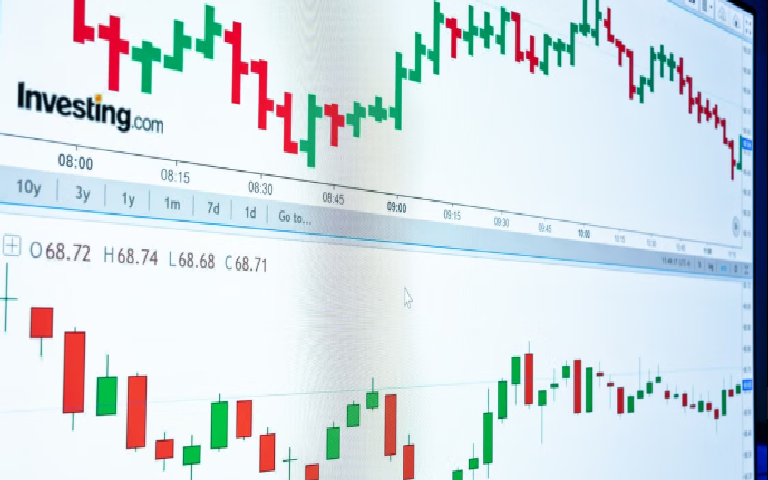
Energy trading software development is transforming how energy companies buy, sell, manage, and optimize electricity, natural gas, renewable power, and other energy commodities. In 2026, energy markets are becoming more complex. Prices fluctuate rapidly, renewable energy production changes with weather conditions, and businesses face growing regulatory and operational demands.
Modern trading platforms help energy companies respond faster to market changes. They automate trading workflows, analyze market data, monitor financial exposure, and improve decision-making. As a result, utilities, energy retailers, independent power producers, and trading firms are investing in advanced digital solutions.
However, developing the right platform requires careful planning. Businesses must evaluate software development costs, essential features, integration requirements, cybersecurity, and risk management capabilities. This guide explains how energy trading software development in 2026 works, what it costs, and how to choose a solution that supports long-term business growth.
What Is Energy Trading Software Development?
Energy trading software development involves designing and building digital platforms that support energy market transactions. These systems manage trading activities, pricing data, contracts, risk exposure, settlements, and reporting.
Unlike basic business applications, energy trading platforms must handle volatile markets, large data volumes, complex contracts, and time-sensitive decisions. Depending on the business model, they may support wholesale electricity markets, natural gas trading, renewable energy certificates, carbon markets, and energy derivatives.
Common users include:
- Energy utilities and electricity retailers.
- Wholesale energy trading companies.
- Renewable energy producers and developers.
- Natural gas suppliers and commodity traders.
- Commercial energy buyers and industrial facilities.
- Financial institutions trading energy-related instruments.
For organizations operating across several markets, a centralized platform can improve visibility and reduce manual work. It can also help teams identify opportunities while maintaining better control over trading risks.
Key Features of Energy Trading Software in 2026
1. Real-Time Market Data Integration
Reliable market data is essential for successful energy trading. A modern platform can collect electricity prices, natural gas benchmarks, weather forecasts, demand information, generation forecasts, and transmission data.
It can combine these inputs into a unified dashboard. Traders can then compare prices, identify market movements, and make informed decisions. Data quality checks are equally important because delayed or inaccurate information can lead to costly mistakes.
2. Automated Trading and Order Management
Trading automation allows businesses to execute approved strategies according to predefined rules. These rules may consider market prices, trading limits, demand forecasts, or available generation capacity.
An order management module tracks orders from creation to execution. It can also maintain an audit trail and apply approval controls. However, automated trading should include safeguards, position limits, and emergency stop mechanisms.
3. Risk Management and Exposure Monitoring
Energy trading risk management software helps businesses understand their exposure to price changes, market volatility, counterparty defaults, and operational disruptions.
Useful capabilities include value-at-risk calculations, scenario analysis, stress testing, position monitoring, credit limits, and profit-and-loss reporting. Some systems also support sensitivity analysis and portfolio hedging workflows.
These features help risk managers identify potential losses before they become serious problems. Nevertheless, risk models must be validated regularly and adjusted when market conditions change.
4. Forecasting and Predictive Analytics
Artificial intelligence and machine learning can improve demand forecasting, renewable generation estimates, and price prediction. Models may analyze historical prices, weather patterns, fuel costs, consumption trends, and market events.
Predictive analytics can help traders compare possible scenarios and plan positions more effectively. Yet forecasts are not guarantees. Businesses should monitor model accuracy and retain human oversight for significant trading decisions.
5. Contract and Settlement Management
Energy trading involves complex agreements, delivery schedules, pricing formulas, and settlement obligations. Contract management tools organize these details and reduce the risk of missed deadlines.
Settlement modules compare contractual terms with actual transactions and delivery data. They can identify discrepancies, calculate amounts due, and support invoicing. Automated reconciliation can also reduce administrative costs and improve financial accuracy.
6. Compliance, Reporting, and Cybersecurity
Energy markets operate under different regulatory frameworks. Depending on the jurisdiction and products traded, businesses may need transaction reporting, record retention, market surveillance, and audit documentation.
Security features should include role-based access, multifactor authentication, encryption, secure API connections, activity logs, and incident monitoring. A strong platform also needs backup procedures and disaster recovery plans.
Organizations can consult the Federal Energy Regulatory Commission for relevant US energy market information and the Agency for the Cooperation of Energy Regulators for European energy regulatory resources.
Energy Trading Software Development Costs in 2026
The cost of energy trading software development depends on the platform’s complexity, number of integrations, security requirements, and supported markets. A simple internal trading tool costs much less than a fully integrated enterprise energy trading and risk management system.
The following figures are illustrative planning estimates in US dollars, not verified vendor quotations. Actual costs depend on project scope, location, team experience, and implementation requirements.
| Software Type | Estimated Development Cost | Typical Timeline |
|---|---|---|
| Basic trading dashboard | $25,000–$60,000 | 2–4 months |
| Custom trading platform | $60,000–$150,000 | 4–7 months |
| Advanced trading and risk system | $150,000–$350,000 | 6–12 months |
| Enterprise energy trading platform | $350,000–$800,000+ | 9–18+ months |
These ranges generally describe software development rather than the full cost of operating a trading business. Market data licenses, exchange connectivity, third-party platforms, cloud infrastructure, compliance reviews, and ongoing support may increase the total investment.
Factors That Affect Development Pricing
Feature complexity is one of the biggest cost drivers. A dashboard with manual trade entry requires less engineering than a platform with algorithmic execution, advanced forecasting, and automated settlement.
Third-party integrations can also increase costs. Connecting exchanges, brokers, energy market operators, enterprise resource planning systems, and billing platforms requires technical testing and ongoing maintenance.
Security and compliance add further requirements. Systems handling sensitive trading data need secure architecture, access controls, audit logs, testing, and documented operating procedures.
Finally, ongoing maintenance must be included in the budget. Businesses should plan for software updates, cloud costs, monitoring, data subscriptions, incident response, and future feature development.
Build Custom Software or Buy an Existing Platform?
Companies typically choose between custom development, commercial software, and hybrid solutions. The right approach depends on trading volume, business processes, internal technical expertise, and budget.
Custom Energy Trading Software
Custom development provides greater control over workflows, integrations, analytics, and user permissions. It is suitable for companies with specialized trading strategies or requirements that standard products cannot satisfy.
The disadvantages include higher initial investment, longer implementation timelines, and responsibility for ongoing maintenance. A clear technical roadmap is essential to prevent scope expansion and unnecessary spending.
Commercial Energy Trading Platforms
Established platforms may offer proven trading workflows, risk controls, reporting tools, and industry integrations. They can reduce the amount of software that must be built from scratch.
However, licensing, implementation, customization, and support fees can be substantial. Businesses should evaluate the total cost of ownership rather than comparing subscription prices alone.
Hybrid Development
A hybrid approach combines existing software with custom modules. For example, a company might use a commercial trading and risk management platform while developing proprietary forecasting dashboards or renewable energy optimization tools.
This strategy can balance implementation speed and customization. Before choosing it, businesses should confirm integration quality, data ownership, upgrade compatibility, and vendor support arrangements.
How Energy Trading Software Improves Risk Management
Risk management is a central part of modern energy trading. Electricity and natural gas prices can change sharply because of weather events, supply disruptions, infrastructure constraints, and shifts in demand.
Advanced software supports several important risk controls.
- Market risk: Monitor exposure to changing commodity prices and evaluate hedging strategies.
- Credit risk: Track counterparty limits, payment behavior, and outstanding obligations.
- Operational risk: Identify data failures, execution errors, and settlement discrepancies.
- Liquidity risk: Evaluate whether the business can meet financial obligations when payments fall due.
- Compliance risk: Maintain records, reporting workflows, and approval procedures required by applicable rules.
For example, a utility company can combine demand forecasts with market prices to estimate its future electricity purchasing needs. If prices rise above an approved threshold, the system can alert traders or initiate an authorized workflow.
However, software cannot eliminate market risk. Effective results require reliable data, well-designed controls, trained staff, and regular reviews of trading strategies.
AI and Renewable Energy Market Solutions
Renewable energy is creating new opportunities and challenges for energy traders. Solar and wind generation depend on weather conditions, while electricity demand and storage availability can change throughout the day.
AI-powered energy trading software can combine weather forecasts, production estimates, demand signals, and market prices to improve planning. Battery operators may use optimization tools to evaluate when to charge or discharge storage assets, subject to technical limits and market rules.
Virtual power plants can also coordinate distributed resources, such as batteries, solar installations, and flexible electricity demand. When integrated with suitable market systems, these resources can support portfolio optimization and grid flexibility.
Businesses exploring these capabilities should review the International Energy Agency for energy market analysis and the National Renewable Energy Laboratory for renewable energy and grid research.
AI should support, rather than replace, governance. Companies need model validation, data quality monitoring, explainable decision processes, and clear accountability for automated actions.
How to Develop an Energy Trading Software Platform
Step 1: Define Business Requirements
Identify the commodities, markets, users, and trading workflows the platform must support. Establish measurable goals, such as reducing manual processing time, improving forecast accuracy, or strengthening risk visibility.
Step 2: Choose the Architecture
Design a secure architecture that supports data ingestion, pricing calculations, trading workflows, risk analytics, and reporting. Cloud infrastructure can offer flexibility, but latency-sensitive trading may require specialized deployment and connectivity decisions.
Step 3: Build the Core Features
Start with essential capabilities, including market data, position management, trade records, user permissions, and risk alerts. Add advanced automation only after core processes have been tested.
Step 4: Integrate External Systems
Connect required exchanges, brokers, market operators, forecasting providers, and internal financial systems. Use documented APIs and establish procedures for handling unavailable services or inconsistent data.
Step 5: Test Security and Performance
Conduct functional testing, integration testing, security assessments, and load testing. Validate calculations using known scenarios. Test recovery procedures and confirm that trading limits behave as expected during abnormal conditions.
Step 6: Deploy and Improve
Launch the platform in stages. Train users, monitor performance, and collect feedback. Regular reviews help the development team prioritize improvements and respond to changes in market rules or business requirements.
How to Calculate Energy Trading Software ROI
Return on investment depends on the value created compared with the full cost of implementation and operation. Companies should measure benefits using realistic baseline data rather than relying on broad industry claims.
Potential benefits include fewer manual processing hours, faster reconciliation, reduced operational errors, improved forecasting, and better use of trading capital. Any improvement in trading performance should be measured carefully because market conditions can affect results independently of software quality.
A simple formula is:
ROI (%) = (Annual Net Benefit ÷ Total Investment) × 100
For example, assume a platform costs $120,000 to develop and implement. If the business achieves $70,000 in annual measurable benefits and spends $20,000 annually on additional operating costs, the annual net benefit is $50,000. The simple first-year ROI against the initial investment is approximately 41.7%, before accounting for taxes, financing, and other factors.
This is an illustrative calculation, not a guaranteed result. A more complete assessment should include the timing of cash flows, implementation delays, recurring expenses, and the useful life of the software.
How to Choose an Energy Trading Software Development Company
Select a development partner with relevant experience in energy markets, financial software, data integration, and cybersecurity. Ask for evidence of comparable projects and clear explanations of how the team handles trading accuracy and operational resilience.
Before signing a contract, review these areas:
- Experience with energy trading and risk management workflows.
- Transparent pricing, milestones, and change-request policies.
- Security standards, access controls, and incident response procedures.
- Integration capabilities and market data licensing requirements.
- Source code ownership, documentation, and intellectual property rights.
- Ongoing maintenance, service levels, and disaster recovery.
- Testing methods, delivery timelines, and measurable acceptance criteria.
Request a detailed proposal that separates development fees from licensing, infrastructure, data, and support expenses. This makes it easier to compare providers and understand the full financial commitment.
Conclusion
Energy trading software development in 2026 helps energy businesses modernize trading operations, improve risk visibility, and respond to increasingly dynamic markets. The right solution combines reliable market data, effective automation, robust risk controls, secure integrations, and useful analytics.
Development costs can range from tens of thousands of dollars for simpler tools to several hundred thousand dollars or more for enterprise platforms. The final investment depends on complexity, regulatory requirements, integration needs, and long-term operating costs.
For the best outcome, start with clearly defined business goals, compare custom and commercial solutions, and prioritize security and testing. A carefully planned platform can support better operational efficiency and more informed decisions while giving the business room to adapt as energy markets evolve.
For related insights, explore your site’s internal articles on energy software development, smart grid software development, and renewable energy software development. Replace these example paths with the published URLs on your WordPress website if necessary.