Tag: Smart Grid

  • Energy Analytics Software in 2026: Best Solutions for Forecasting, Efficiency, and Profitability

    Energy Analytics Software in 2026: Best Solutions for Forecasting, Efficiency, and Profitability

    The energy sector stands at a pivotal juncture in 2026, driven by an urgent global transition toward decarbonization and a simultaneous need for grid stability. As utilities, commercial facilities, and industrial operators navigate the complexities of intermittent renewable sources and volatile market prices, the reliance on sophisticated data tools has never been more critical. Energy analytics software has evolved from simple reporting dashboards into intelligent, predictive engines capable of optimizing assets in real time. For organizations looking to future-proof their operations, selecting the right technology stack is essential for achieving accurate forecasting, maximizing operational efficiency, and securing profitability in a competitive landscape.

    The Evolution of Energy Analytics in 2026

    By 2026, the definition of energy analytics has expanded significantly beyond historical consumption tracking. Modern platforms now integrate the Internet of Things (IoT), artificial intelligence (AI), and machine learning (ML) to create a dynamic view of energy ecosystems. These systems ingest vast amounts of data from smart meters, on-site generation assets like solar and wind, and distributed energy resources (DERs). The primary value proposition has shifted from reactive reporting to proactive management, allowing stakeholders to anticipate market shifts and operational bottlenecks before they impact the bottom line.

    This evolution is particularly important for the integration of distributed energy resources. As microgrids and rooftop solar installations become more common, aggregating data from these fragmented sources requires robust software that can handle heterogeneous data formats and high-frequency updates. The software must not only monitor consumption but also understand the bidirectional flow of energy, where consumers act as prosumers, feeding power back into the grid during peak production hours.

    Core Capabilities: Forecasting, Efficiency, and Profitability

    To effectively evaluate energy analytics solutions, one must look at the three pillars that drive success in the current market: accurate forecasting, operational efficiency, and profitability.

    Predictive Forecasting and Market Awareness

    Forecasting remains the backbone of energy strategy. In 2026, the best solutions utilize advanced algorithms to predict demand and supply with high precision. These platforms analyze weather patterns, historical usage, economic indicators, and even local event data to forecast load profiles for days or weeks ahead.

    Furthermore, market awareness capabilities have become indispensable. With energy prices fluctuating rapidly based on supply and demand dynamics, software that provides short-term price forecasts allows operators to optimize their trading strategies. For instance, a commercial building manager might adjust thermostat settings or shift non-essential loads to coincide with periods of low electricity prices, thereby reducing costs. Similarly, utility operators use these forecasts to balance the grid, ensuring that supply meets demand while minimizing the need for expensive peaker做功.

    Operational Efficiency and Asset Optimization

    Efficiency is no longer just about reducing consumption; it is about optimizing the performance of every asset in the energy portfolio. Modern analytics software provides deep visibility into energy flows, identifying inefficiencies that are invisible to traditional monitoring tools.

    For industrial facilities, this means analyzing the efficiency of specific machinery or production lines. By correlating energy consumption with production output, the software can calculate real-time efficiency metrics, highlighting equipment that is underperforming or consuming excessive power relative to its output. This data-driven approach enables maintenance teams to perform predictive maintenance, addressing issues before they cause costly downtime.

    In the context of renewable energy, efficiency tools focus on the performance of generation assets. Solar and wind turbines are subject to degradation and environmental factors. Analytics platforms continuously monitor performance against expected theoretical outputs, flagging underperforming assets for immediate attention. This ensures that the investment in renewable infrastructure yields the maximum possible return, protecting the asset value over the long term.

    Profitability Through Strategic Decision Making

    While cost reduction is a primary driver, the ultimate goal of energy analytics in 2026 is profitability. This is achieved through a combination of cost savings, revenue optimization, and risk mitigation.

    Cost savings are realized through automated demand response programs and intelligent load management. The software can automatically curtail non-critical loads when prices spike or when grid congestion is detected, avoiding expensive peak charges. For businesses with large energy footprints, these savings can be substantial.

    Revenue optimization is particularly relevant for entities with on-site generation. By analyzing weather forecasts and market prices, the software can determine the optimal time to store energy in batteries or sell excess generation to the grid. This active management of energy assets transforms a cost center into a revenue stream, enhancing the overall financial health of the organization.

    Risk mitigation is another critical aspect. Energy markets are volatile, and regulatory landscapes are changing. Analytics software helps organizations navigate these uncertainties by providing scenario analysis. Stakeholders can simulate different outcomes—such as a sudden drop in solar irradiance or a price spike due to supply constraints—and develop contingency plans. This preparedness reduces exposure to financial shocks and ensures compliance with evolving regulatory requirements.

    Key Features to Look for in 2026 Solutions

    When evaluating energy analytics software, technical robustness and user experience are paramount. The following features distinguish top-tier solutions from basic monitoring tools.

    • Real-Time Data Integration: The ability to ingest, clean, and normalize data from diverse sources in real time is crucial. Solutions should support protocols like Modbus, BACnet, and various cloud APIs to ensure seamless connectivity with existing building management systems (BMS) and utility meters.
    • Cloud-Native Architecture: Most modern platforms are cloud-based, offering scalability and accessibility. This allows energy managers to access dashboards and reports from anywhere, facilitating remote monitoring and management of distributed assets.
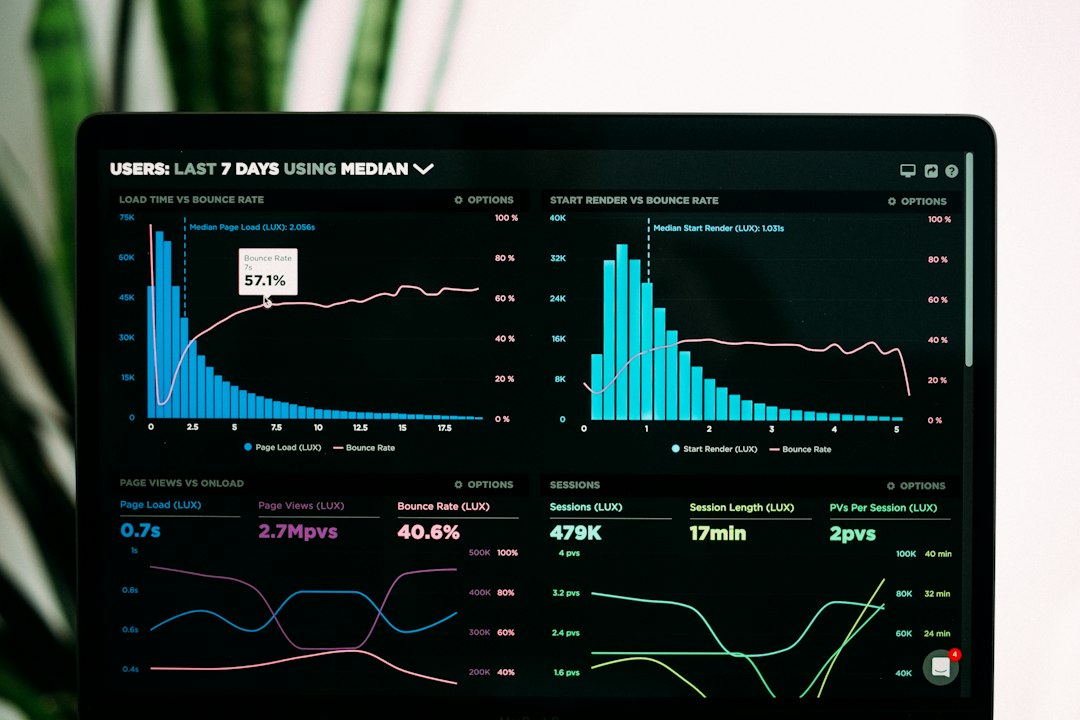
    • Visualization and Reporting: Complex data is useless if it is not understandable. Effective software provides intuitive, customizable dashboards that highlight key performance indicators (KPIs) relevant to the specific user’s role, whether they are an executive, an engineer, or a facility manager.
    • Interoperability: The energy ecosystem is fragmented. A solution must be able to integrate with Energy Management Systems (EMS), Building Automation Systems (BAS), and Trading Platforms. Open APIs are a strong indicator of a vendor’s commitment to long-term interoperability.
    • Security and Compliance: Given the critical nature of energy infrastructure, cybersecurity is non-negotiable. The software must adhere to strict security standards, ensuring that data is protected from breaches and that the system is resilient to cyber-attacks.

    Challenges and Considerations for Implementation

    While the benefits are clear, implementing energy analytics software involves several challenges that organizations must anticipate.

    Data Quality: The accuracy of the analytics is directly dependent on the quality of the input data. Poorly calibrated meters, sensor drift, or incomplete data streams can lead to erroneous forecasts and suboptimal decisions. A robust solution should include built-in data validation and cleaning tools to address these issues automatically.

    Organizational Change Management: Technology is only half the solution. Successful implementation requires a shift in organizational culture. Staff must be trained to interpret the new data and act on the insights provided by the software. Resistance to change or a lack of digital literacy can hinder the adoption of these powerful tools.

    Vendor Selection: The market is crowded with vendors offering overlapping features. It is essential to define clear requirements before engaging with potential suppliers. Consider the vendor’s track record, the scalability of their platform, and their ability to provide ongoing support and updates. Energy analytics is a rapidly evolving field, and the software must be capable of adapting to new technologies and market conditions.

    Conclusion

    As we move through 2026, energy analytics software has become an indispensable tool for managing the complexities of modern energy systems. Whether for a large utility managing a diverse grid or a small business seeking to reduce its carbon footprint, the ability to forecast accurately, optimize operations, and drive profitability is the competitive edge. The convergence of AI, IoT, and advanced data science has created a landscape where energy is no longer just a utility but a strategic asset that can be actively managed and optimized.

    By selecting a solution that offers robust forecasting, deep operational insights, and flexible profitability tools, organizations can navigate the uncertainties of the energy market with confidence. The path forward requires a commitment to data-driven decision-making and aจาน of technologies that can adapt to the changing needs of the energy sector. As the industry continues to evolve, those who leverage these advanced analytics tools will be best positioned to achieve their sustainability goals while securing a resilient and profitable energy future.
  • Enterprise Energy Management Systems in 2026: Compare Software Costs, Features, and ROI

    Enterprise Energy Management Systems in 2026: Compare Software Costs, Features, and ROI

    As the global focus on sustainability intensifies, the operational backbone of modern enterprises is shifting from reactive utility bill analysis to proactive, data-driven optimization. In 2026, Enterprise Energy Management Systems (EEMS) have matured beyond simple monitoring tools into sophisticated ecosystems capable of predicting consumption, automating grid interactions, and integrating seamlessly with corporate ESG (Environmental, Social, and Governance) goals. For facility managers and CFOs tasked with selecting the right technology, understanding the nuanced landscape of software costs, feature capabilities, and return on investment is more critical than ever.

    The Evolution of EEMS in 2026

    The market for energy management software has undergone a significant transformation over the last decade. What was once a niche utility for large industrial complexes has become a standard expectation for mid-to-large-sized enterprises. In 2026, the defining characteristic of these systems is their ability to ingest and synthesize data from disparate sources. Unlike previous iterations that relied on manual meter reading or static building management systems (BMS), modern EEMS platforms utilize the Internet of Things (IoT) to create a granular view of energy consumption across every square foot of an organization’s portfolio.

    This shift is driven by the proliferation of smart Faulks, advanced sensors, and nærheten to the public utility grid. The software now acts as a central nervous system, aggregating data from HVAC systems, lighting controls, and renewable energy assets like solar panels and battery storage. This holistic view allows organizations to move from identifying anomalies to predicting future consumption trends with high accuracy, enabling dynamic adjustments that save money and reduce carbon footprints simultaneously.

    Comparing Software Costs: The Hidden Variables

    When evaluating the cost of enterprise energy management software, it is easy to get fixated on the initial subscription fee. However, in 2026, the total cost of ownership (TCO) is a complex equation influenced by several hidden variables that can significantly impact your bottom line.

    Subscription Models and Scalability

    The primary pricing structure for most EEMS vendors is a subscription-based model, typically billed使いやすい annually or monthly. These costs are often tiered based on the number of connected assets, the size of the facility, or the depth of historical data retention required. A common pitfall in 2026 is overlooking the scalability clauses in the contract. Many vendors offer lower rates for smaller deployments but impose steep premiums as the organization expands its footprint or adds new IoT devices. It is crucial to negotiate a pricing model that allows for organic growth without triggering a sudden, unmanageable spike in monthly recurring costs.

    Implementation and Integration Fees

    Beyond the monthly subscription, the upfront cost of implementation can vary wildly depending on the complexity of the existing infrastructure. Integrating legacy Building Management Systems (BMS) with a new cloud-based EEMS can require custom engineering, API development, and significant的西 time. Vendors often charge per-meter or per-building fees for this initial data migration. A robust system might offer a “plug-and-play” architecture for modern smart meters, but.aking older, non-IP-enabled devices may require expensive retrofitting hardware or the installation of new smart meters, which adds to the capital expenditure (CapEx) before the software even begins to generate savings.

    Support and Maintenance

    Enterprise software requires vigilant maintenance. In 2026, the cost of support is increasingly differentiated between standard and premium tiers. Standard support might include email assistance and limited access to a knowledge base, whereas premium support often includes dedicated account managers, 24/7 phone access, and priority bug fixes. For critical facilities where uptime is non-negotiable, the premium tier is frequently a necessity, but it must be weighed against the value of the service provided.

    Essential Features to Look For

    While cost is a factor, the functional capabilities of the software are what determine its long-term value. A system that is cheap but ineffective is a false economy. When reviewing vendor proposals, prioritize the following features that define the state of the art in 2026:

    • Granular Sub-meteringlyphs: The ability to break down energy consumption by specific equipment, zones, or even individual machines is paramount. Generic whole-building averages hide inefficiencies. A robust system should provide drill-down capabilities that allow facility managers to pinpoint exactly which asset is consuming the most power.
    • Predictive Analytics and AI: This is the differentiator between 2025 and 2026 systems. Advanced algorithms should analyze historical weather patterns, occupancy data, and utility rate schedules to predict future energy needs. This allows for proactive adjustment of HVAC and lighting systems, preventing waste before it occurs.
    • Grid Integration and Demand Response: With the rise of smart grids, the ability to interact with the utility provider is becoming a standard feature. The software should be capable of participating in demand response programs, where it automatically reduces non-essential load during peak grid stress events in exchange for financial incentives from the utility.
    • självständighet Reporting and ESG Compliance: Stakeholders increasingly demand transparency regarding environmental impact. The system must generate automated reports that align with major global standards, such as the GHG Protocol or ISO 14064. It should calculate carbon emissions based on the specific energy mix of the local grid, updating automatically as the utility’s carbon intensity changes throughout the day.
    • Cross-Facility Portfolio Management: For corporations with multiple locations, the ability to view and manage energy data from a centralized dashboard is essential. This enables benchmarking against similar facilities, identifying best practices, and setting organization-wide reduction targets.

    Calculating Return on Investment (ROI)

    One of the most common challenges in justifying the investment in an EEMS is the difficulty in quantifying the return. While the software itself is a cost, the value it generates is multifaceted and often indirect. A clear ROI analysis requires looking beyond simple energy bill reduction.

    The most direct ROI comes from operational savings. By identifying inefficiencies, such as equipment running at suboptimal temperatures or lighting left on in unoccupied zones, the system can reduce energy consumption by 5% to 15% in many commercial and industrial settings. If a facility spends $100,000 annually on energy, a 10% reduction translates to $10,000 in direct savings. If the software costs $5,000 annually, the break-even point is reached within the first year, resulting in a 200% ROI in year two.

    However, the “hidden” ROI is often where the real value lies. A 2026 system provides data that can be used for capital planning. For instance, if the analytics reveal that a specific HVAC chiller is failing or operating inefficiently, the organization can schedule a repair before a catastrophic breakdown occurs. The cost of a minor repair is often a fraction of the cost of a major system failure, which can lead to massive energy spikes and business interruption.

    Furthermore, the ability to generate accurate ESG reports reduces the administrative burden and cost associated with compliance. Third-party verification of carbon data can be expensive and time-consuming. If the EEMS software provides audit-ready, verified data, the organization can save on external consulting fees and internal man-hours dedicated to sustainability reporting. Additionally, participation in demand response programs can provide a steady stream of supplemental revenue, further offsetting the software costs.

    It is important to approach these calculations with realism. Energy savings are not guaranteed and depend heavily on the behavior of the facility, the age of the equipment, and the effectiveness of the implementation. A software solution cannot fix a broken building envelope or poorly managed human behavior. Therefore, the ROI calculation must include a contingency plan for behavioral change initiatives, such as employee training or incentive programs, to ensure the technology is utilized effectively.

    Choosing the Right Partner

    As the technology becomes more sophisticated, the vendor relationship becomes equally important. In 2026, the best EEMS solutions are those that offer open APIs, allowing them to integrate with your existing ERP, CMMS (Computerized Maintenance Management System), and BMS ecosystems. A closed system that operates in a silo limits the data available for optimization and reduces the overall value of the investment.

    Look for vendors who prioritize customer success and continuous improvement. The energy landscape is changing rapidly due to regulatory shifts and evolving market dynamics. A partner who regularly updates their software with new features and compliance standards ensures that your investment remains relevant and valuable for years to come. Request references from companies in your specific industry, as the challenges of managing a data center differ vastly from those of a manufacturing plant or a hospital.

    Ultimately, selecting an Enterprise Energy Management System in 2026 is a strategic decision that balances immediate costs with long-term value. By focusing on scalable pricing, advanced predictive features, and comprehensive ROI analysis, organizations can deploy systems that not only reduce their carbon footprint but also drive operational excellence and financial resilience in an increasingly complex energy environment.

    As we move forward, the organizations that will thrive are those that view energy not as a static utility cost, but as a dynamic asset that can be optimized, managed, and leveraged for competitive advantage. The tools to achieve this are now more accessible and powerful than ever before, making theチェック out of the right system a pivotal step toward a sustainable and profitable future.

  • Smart Grid Software Development in 2026: Benefits, Costs, and Modern Energy Solutions

    Smart Grid Software Development in 2026: Benefits, Costs, and Modern Energy Solutions

    The energy landscape is undergoing a fundamental transformation. As we move further into the 2020s, the traditional one-way flow of electricity from centralized power plants to homes is being replaced by a dynamic, two-way network. This shift is driven by the proliferation of rooftop solar panels, wind turbines, and battery storage systems, alongside the integration of electric vehicles. At the heart of this revolution lies smart grid software development. By 2026, this technology is poised to become the central nervous system of the global energy infrastructure, optimizing distribution, enhancing reliability, and empowering consumers to participate actively in the energy market.

    The Evolution of the Grid: Why 2026 Matters

    The concept of a “smart grid” has been evolving for over a decade, but 2026 represents a critical inflection point. The initial phase of grid modernization focused on digitizing the physical infrastructure—installing smart meters and sensors. However, the current focus has shifted dramatically toward the software layer that connects these devices. The hardware is largely in place; the challenge now is building the sophisticated algorithms capable of processing massive amounts of data in real time.

    Developers are moving away from simple rule-based systems to advanced, AI-driven platforms. These systems can predict energy demand, balance supply from intermittent renewable sources, and automatically reroute power to prevent outages. In 2026, smart grid software is expected to handle the complexity of a decentralized grid with greater ease, acting as a virtual operator that manages millions of microgrids and distributed energy resources simultaneously.

    Core Benefits of Advanced Grid Software

    The value proposition of investing in smart grid software development is multifaceted, offering benefits to utility providers, consumers, and the environment as a whole.

    Enhanced Reliability and Resilience

    Traditional grids are often passive; they react to failures after they occur. Smart grid software enables proactive maintenance. By analyzing data from sensors and weather patterns, the software can predict potential equipment failures before they happen, allowing for preventative maintenance. Furthermore, during extreme weather events, these systems can isolate damaged sections of the grid instantly, preventing widespread blackouts and keeping power flowing to unaffected areas.

    Optimized Energy Efficiency

    Efficiency is the cornerstone of sustainable energy. Smart grid software facilitates dynamic load balancing, adjusting the voltage and frequency on the grid based on real-time demand. This reduces energy losses during transmission and distribution. On the consumer side, software applications can provide users with granular insights into their energy usage, encouraging behavioral changes that lower bills and reduce overall consumption.

    Integration of Renewable Energy

    The integration of renewable sources like solar and wind is the most significant challenge for modern grids. Because these sources are intermittent, the grid must be flexible to absorb fluctuations. Smart grid software manages this variability by storing excess energy in batteries during peak production and releasing it when demand is high. It also facilitates peer-to-peer energy trading, allowing neighbors with solar panels to sell excess power directly to neighbors without a battery, streamlining the market.

    Consumer Empowerment

    Perhaps the most transformative benefit is the shift in consumer power. Through mobile apps and web portals, consumers can see their energy usage in real time, participate in demand response programs, and even sell their own generated energy back to the grid. This turns passive consumers into active “prosumers,” creating a more flexible and competitive energy market.

    为群众 Breaking Down the Costs

    While the benefits are clear, the cost of developing and deploying smart grid software can be substantial. Understanding these costs is crucial for stakeholders planning their investments.

    Development and Licensing Fees

    The initial cost involves the software development lifecycle itself. This includes hiring skilled engineers, data scientists, and security experts to build robust, scalable, and secure platforms. For organizations looking to license existing solutions rather than build from scratch, subscription fees or perpetual licenses can be significant, especially for enterprise-grade systems that handle complex utility-scale operations.

    Integration and Implementation

    Software is only as good as its integration. Connecting the new software to legacy hardware, such as old transformers and switches, often requires expensive middleware or hardware upgrades. Retrofitting existing substations with the necessary communication equipment to make them “smart” adds to the implementation cost. This phase is often where projects face budget overruns.

    Security and Compliance

    As完全不同 from traditional grids, smart grids are vulnerable to cyberattacks. A significant portion of the budget must be allocated to cybersecurity measures, including encryption, intrusion detection systems, and regular penetration testing. Additionally, the software must comply with a growing array of international and local regulations regarding data privacy and grid safety, which can add legal and compliance costs.

    Operational and Maintenance Expenses

    Smart grid software is not a “set and forget” product. It requires continuous updates, monitoring, and maintenance to ensure it functions correctly as the underlying hardware changes and new energy sources are added to the grid. Operational costs are recurring and can be substantial over the lifespan of the system.

    Modern Energy Solutions Enabled by Software

    The capabilities of 2026-era smart grid software UserDetails are enabling a new wave of energy solutions that were previously impossible or impractical.

    Microgrids and Virtual Power Plants

    Microgrids are localized grids that can operate independently of the main grid. Smart grid software allows these microgrids to coordinate seamlessly with the central grid, feeding power when the main grid is stable and drawing power when it is not. When aggregated, these microgrids form Virtual Power Plants (VPPs), which can be dispatched to the grid as a single, large power source, providing stability and revenue opportunities for local communities.

    Vehicle-to-Grid (V2G) Technology

    With the rise of electric vehicles (EVs), the grid faces a new challenge: charging demand. Smart grid software manages V2G technology, treating EV batteries as mobile energy storage units. When the grid is overloaded, the software can signal EVs to discharge power back into the grid, effectively turning millions of cars into a massive, distributed battery bank.

    Blockchain for Energy Trading

    Blockchain technology is finding a niche in energy markets. Smart grid software can integrate blockchain to facilitate peer-to-peer energy trading. This allows a homeowner with solar panels to sell power directly to a neighbor, bypassing the utility company entirely. The software handles the transaction, verifies the energy transfer, and ensures fair pricing, creating a decentralized energy market.

    Advanced Metering Infrastructure (AMI)

    AMI is the backbone of smart grid software. It consists of digital meters that communicate with the utility in real time. Modern software solutions for AMI provide two-way communication, allowing the utility to know exactly when power is used and by whom, enabling time-of-use pricing and more accurate billing.

    Addressing the Challenges

    Despite the promise, the path to widespread adoption of smart grid software is not without hurdles.

    • Cybersecurity Risks: As the grid becomes more connected, it becomes a larger target for cybercriminals. Ensuring the integrity of the software and the data it handles is paramount.
    • Interoperability: The energy market is fragmented, with many different manufacturers producing hardware and software. Creating a unified standard that allows all these systems to communicate effectively remains a major challenge.
    • Legacy Infrastructure: Many regions still rely on aging infrastructure that is not compatible with modern smart grid software, requiring costly upgrades.
    • Regulatory Hurdles: Laws and regulations often lag behind technology. Updating regulatory frameworks to accommodate new business models like peer-to-peer energy trading takes time and political will.

    Stakeholders must approach these challenges with a strategic mindset, prioritizing security and standardization from the outset of the development process.

    The Future Outlook

    As we look toward the future, the role of smart grid software will only expand. The convergence of artificial intelligence, the Internet of Things (IoT), and renewable energy technologies will create a grid that is not only smarter but also more sustainable and equitable. The software will act as an intelligent intermediary, balancing the complex interplay of supply and demand in a world where energy is increasingly decentralized.

    For developers, investors, and utility providers, the window for strategic entry is opening. The market is moving from experimental pilots to large-scale commercial deployment. Success in this arena will depend on creating software that is not just technically advanced but also secure, user-friendly, and economically viable. The transition to a smart grid is no longer a question of if, but how quickly and effectively we can implement these solutions to meet the growing energy demands of the 21st century.

    Ultimately, the investment in smart grid software development is an investment in the future of energy security and sustainability. By embracing these modern solutions, we can build a grid that is resilient against disruptions, efficient in its operations, and capable of supporting a diverse mix of energy sources. The journey toward a fully realized smart grid is complex, but the potential rewards for society and the environment make it a mission worth pursuing.

  • Best Energy Management Software in 2026: Compare Features, Pricing, and ROI

    Best Energy Management Software in 2026: Compare Features, Pricing, and ROI

    As the global push toward net-zero emissions accelerates, the role of technology in optimizing energy consumption has never been more critical. For facility managers, property owners, and corporate sustainability officers, the landscape of energy management software (EMS) has evolved significantly from simple monitoring tools into comprehensive, AI-driven platforms. In 2026, the market is defined by a shift toward predictive analytics, seamless integration with the Internet of Things (IoT), and a focus on tangible return on investment (ROI) rather than just compliance. Choosing the right solution requires a nuanced understanding of how these tools function, the cost structures involved, and the specific value they deliver to your organization’s bottom line.

    The Evolution of Energy Management in 2026

    Five years ago, energy management software was largely reactive. Users would install meters, collect data, and look for anomalies after they occurred. Today, the paradigm has shifted to proactive and predictive management. Modern EMS platforms in 2026 leverage machine learning algorithms to analyze historical consumption patterns, weather forecasts, and operational schedules to predict future energy needs. This capability allows organizations to adjust building systems in real-time, preventing waste before it happens.

    Furthermore, the integration of distributed energy resources (DERs) has become a standard feature. Unlike legacy systems that treated energy as a one-way flow from the grid, modern software manages bidirectional flows, handling solar generation, battery storage, and electric vehicle (EV) charging simultaneously. This holistic view is essential for calculating accurate net metering credits and optimizing self-consumption of renewable energy.

    Key Features to Look For

    When evaluating energy management software, it is vital to look beyond basic dashboard capabilities. The most effective solutions in 2026 offer a robust suite of features designed to drive operational efficiency and strategic decision-making.

    Real-Time Monitoring and Granular Submetering

    The foundation of any good EMS is data. While many systems offer whole-building metering, the best platforms provide granular submetering capabilities. This means you can track energy usage by specific departments, machines, or even individual lighting circuits. Real-time visibility allows facility managers to identify spikes in consumption immediately, such as a forgotten HVAC system running during a weekend or a malfunctioning piece of equipment. This level of detail is crucial for pinpointing the root causes of inefficiencies.

    Advanced Analytics and Predictive Maintenance

    Static reports are insufficient for modern operations. Leading software utilizes predictive analytics to forecast equipment failures based on energy consumption trends. For instance, if a motor’s energy signature changes slightly over time, the system can flag it as a potential maintenance issue before it breaks down. This preventive approach reduces downtime and extends the lifespan of expensive assets, directly contributing to cost savings.

    Integration with IoT and Building Management Systems (BMS)

    Siloed data is a barrier to efficiency. The top-tier software in 2026 integrates seamlessly with existing Building Management Systems (BMS) and various IoT devices. This interoperability allows for automated control actions. If the software detects that a room is unoccupied via quantité sensors, it can send a signal to the BMS to lower the temperature. This closed-loop automation is far more effective than manual adjustments.

    Carbon Tracking and Reporting

    With increasing regulatory pressure and investor expectations, Scope 2 emissions (indirect energy consumption) are a major focus. Reputable energy management software includes built-in carbon tracking tools that convert energy usage into carbon dioxide equivalents based on local grid emission factors. This simplifies the generation of sustainability reports required for ESG (Environmental, Social, and Governance) compliance and corporate disclosures.

    Understanding Pricing Models

    One of the most significant challenges in selecting energy management software is understanding the cost structure. The market in 2026 offers a variety of pricing models, each with distinct advantages and drawbacks depending on the size of your organization.

    On-Premise Solutions

    On-premise software requires you to purchase the license upfront and host the software on your own servers. This model involves a high initial capital expenditure (CapEx) for hardware and software licenses, followed by ongoing maintenance costs. While this offers complete data ownership and control, it places a heavy burden on your IT infrastructure and requires a dedicated team to manage updates and security patches. It is generally better suited for large enterprises with substantial IT resources and complex, legacy infrastructure.

    Cloud-Based (SaaS) Solutions

    Cloud-based software, or Software as a Service (SaaS), is the dominant model in 2026. With this approach, you pay a monthly or annual subscription fee, and the vendor manages the servers, security, and updates. The primary benefit is a lower upfront cost and the ability to scale usage up or down instantly. This model is ideal for mid-sized to large organizations that want to test the technology without a massive initial investment. However, you must ensure the vendor’s data security protocols are robust, as you are entrusting sensitive operational data to a third party.

    Hardware-Embedded Solutions

    Some vendors offer a Partitioned model where the hardware (smart meters, sensors) and the software are sold as a single unit. This can be cost-effective for small facilities with a single building, as the hardware is often cheaper than the recurring software fees. However, if you own multiple buildings, the cumulative cost of hardware and software can become prohibitive compared to a cloud-based model where the hardware is just a data input channel.

    Calculating Return on Investment (ROI)

    Investing in energy management software is a financial decision, not just a technical one. To justify the(confirm) expenditure, organizations must calculate a clear ROI. It is important to note that while ROI is a key metric, it is not guaranteed; it depends heavily on the specific implementation, the quality of the existing infrastructure, and the behavior of the building occupants.

    The ROI calculation typically involves comparing the cost of the software and hardware against the savings generated over time. The primary sources of savings include:

    • Reduced Energy Consumption: By optimizing HVAC, lighting, and equipment schedules, software can reduce energy bills by 10% to 25% in many commercial settings.
    • Extended Equipment Life: Predictive maintenance prevents costly breakdowns and reduces the frequency of major repairs, saving money on parts and labor.
    • Optimized Renewable Energy: Software that manages gündown solar and battery storage can maximize the amount of self-generated energy used on-site, reducing the amount purchased from the grid and increasing net metering credits_bn.

    A typical payback period for a well-implemented energy management system ranges from 12 to 24 months. However, the value extends beyond the first year. The ongoing savings continue to accrue, and the data collected can be used for future capital planning, such as deciding when to upgrade to more efficient equipment or when to expand solar capacity.

    It is crucial to approach these savings with a realistic mindset. Software cannot fix a broken building. If the physical infrastructure is outdated, the software will only optimize the waste. Therefore, a successful implementation often involves a phased approach: first, install the software to establish a baseline, then use the insights to make targeted capital improvements, and finally, re-evaluate the ROI.

    Comparing Top Contenders

    While the market is vast, a few vendors have emerged as leaders in 2026, distinguishing themselves through innovation and reliability.

    Vendor A: The Enterprise Powerhouse

    Vendor A is best suited for large multinational corporations with thousands of facilities. Their platform offers unparalleled scalability, allowing for a unified view of global energy consumption. They excel in advanced analytics, using sophisticated AI to identify complex inefficiencies across different geographies. Their strength lies in their ability to integrate with virtually any third-party system, from legacy BMS to modern EV charging stations. However, their implementation time can be lengthy, and the cost is high, making it less suitable for small to mid-sized businesses.

    Vendor B: The User-Friendly Challenger

    Vendor B focuses on ease of use and rapid deployment. Their cloud-based platform is designed for non-technical users, offering intuitive dashboards and mobile apps. They are particularly strong in the small to mid-sized business sector, providing a quick win for organizations looking to improve their energy profile without a massive overhaul. Their pricing is competitive, often with a transparent flat-rate structure. While they may lack the deep, alcance-level AI of Vendor A, they provide excellent value for money and quick implementation.

    Vendor C: The IoT Specialist

    Vendor C specializes in the hardware side of the equation. Their ecosystem of smart meters and sensors贴合s various precisión standards, making them a great choice if you are already using specific hardware brands. Their software is robust but can be more complex to configure for users who are not familiar with the underlying hardware. They are a strong contender for organizations that have already invested heavily in specific IoT hardware and want to maximize that investment.

    Implementation Risks and Considerations

    Before committing to a software solution, it is essential to consider the risks involved in the implementation process. Technology is not a magic bullet; it requires careful planning and execution.

    Data Quality and Connectivity: The adage “garbage in, garbage out” applies perfectly to energy management. If the sensors are poorly calibrated or the connectivity is unreliable, the software will produce inaccurate data, leading to wrong decisions. Ensure that the hardware you choose is compatible with your existing infrastructure and that the network environment supports reliable data transmission.

    Change Management: Perhaps the biggest risk is human behavior. Employees may ignore the software’s recommendations or revert to old habits if the system does not provide clear feedback. A successful implementation includes a strong change management strategy, involving staff from the beginning and providing regular training and reporting on the benefits.

    Vendor Lock-in: Be wary of software that is deeply tied to a specific vendor’s hardware. If you choose a platform that only works with their proprietary meters, you may be locked into a long-term contract with high switching costs. Always check the vendor’s commitment to open standards and interoperability.

    Conclusion

    The landscape of energy management software in 2026 is more dynamic and capable than ever before. By moving from reactive monitoring to predictive, AI-driven optimization, organizations can achieve significant reductions in energy costs and carbon footprints. When selecting the best solution, it is crucial to balance the need for advanced features with the realities of your budget and technical capabilities. Whether you are a large enterprise requiring a global platform or a small business looking for an affordable, easy-to-use tool, the right software can be a catalyst for sustainable growth.

    Remember, the technology is only as effective as the people who use it. Investing in the right software is just the first step; the real value is realized through active management, continuous improvement, and a commitment to sustainability. By carefully evaluating features, understanding the pricing models, and calculating a realistic ROI, you can make an informed decision that protects your bottom line and contributes to a greener future. Start by assessing your current energy baseline, and let the data guide you toward the most effective solution for your unique needs.