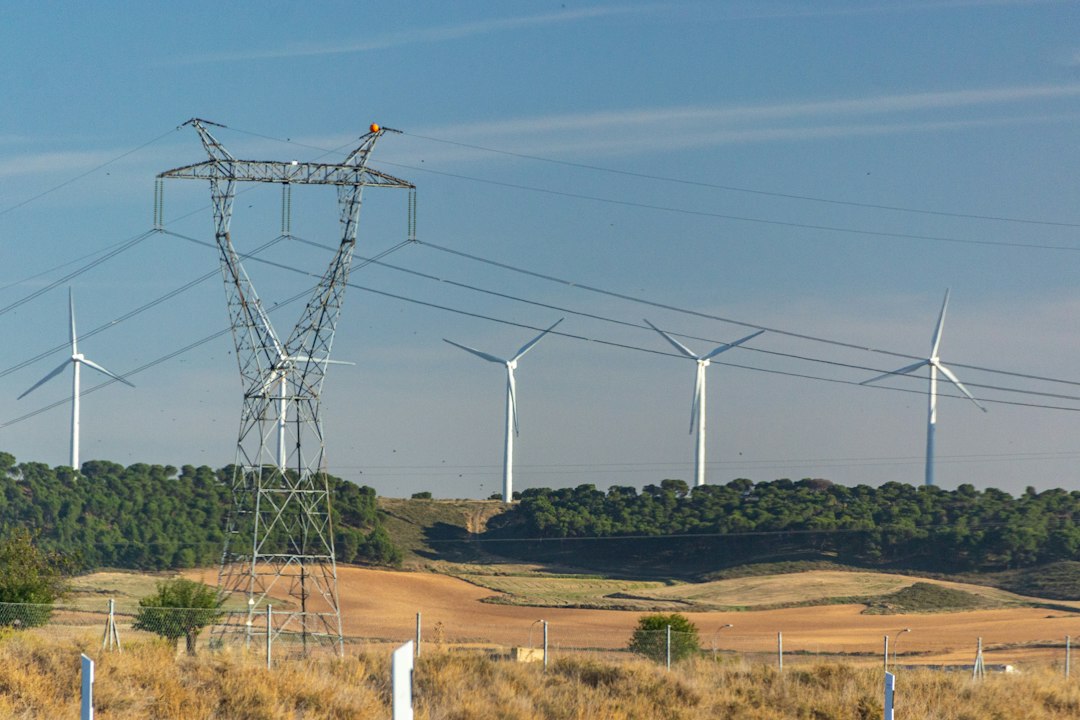
The energy landscape is undergoing a fundamental transformation. As we move further into the 2020s, the traditional one-way flow of electricity from centralized power plants to homes is being replaced by a dynamic, two-way network. This shift is driven by the proliferation of rooftop solar panels, wind turbines, and battery storage systems, alongside the integration of electric vehicles. At the heart of this revolution lies smart grid software development. By 2026, this technology is poised to become the central nervous system of the global energy infrastructure, optimizing distribution, enhancing reliability, and empowering consumers to participate actively in the energy market.
The Evolution of the Grid: Why 2026 Matters
The concept of a “smart grid” has been evolving for over a decade, but 2026 represents a critical inflection point. The initial phase of grid modernization focused on digitizing the physical infrastructure—installing smart meters and sensors. However, the current focus has shifted dramatically toward the software layer that connects these devices. The hardware is largely in place; the challenge now is building the sophisticated algorithms capable of processing massive amounts of data in real time.
Developers are moving away from simple rule-based systems to advanced, AI-driven platforms. These systems can predict energy demand, balance supply from intermittent renewable sources, and automatically reroute power to prevent outages. In 2026, smart grid software is expected to handle the complexity of a decentralized grid with greater ease, acting as a virtual operator that manages millions of microgrids and distributed energy resources simultaneously.
Core Benefits of Advanced Grid Software
The value proposition of investing in smart grid software development is multifaceted, offering benefits to utility providers, consumers, and the environment as a whole.
Enhanced Reliability and Resilience
Traditional grids are often passive; they react to failures after they occur. Smart grid software enables proactive maintenance. By analyzing data from sensors and weather patterns, the software can predict potential equipment failures before they happen, allowing for preventative maintenance. Furthermore, during extreme weather events, these systems can isolate damaged sections of the grid instantly, preventing widespread blackouts and keeping power flowing to unaffected areas.
Optimized Energy Efficiency
Efficiency is the cornerstone of sustainable energy. Smart grid software facilitates dynamic load balancing, adjusting the voltage and frequency on the grid based on real-time demand. This reduces energy losses during transmission and distribution. On the consumer side, software applications can provide users with granular insights into their energy usage, encouraging behavioral changes that lower bills and reduce overall consumption.
Integration of Renewable Energy
The integration of renewable sources like solar and wind is the most significant challenge for modern grids. Because these sources are intermittent, the grid must be flexible to absorb fluctuations. Smart grid software manages this variability by storing excess energy in batteries during peak production and releasing it when demand is high. It also facilitates peer-to-peer energy trading, allowing neighbors with solar panels to sell excess power directly to neighbors without a battery, streamlining the market.
Consumer Empowerment
Perhaps the most transformative benefit is the shift in consumer power. Through mobile apps and web portals, consumers can see their energy usage in real time, participate in demand response programs, and even sell their own generated energy back to the grid. This turns passive consumers into active “prosumers,” creating a more flexible and competitive energy market.
为群众 Breaking Down the Costs
While the benefits are clear, the cost of developing and deploying smart grid software can be substantial. Understanding these costs is crucial for stakeholders planning their investments.
Development and Licensing Fees
The initial cost involves the software development lifecycle itself. This includes hiring skilled engineers, data scientists, and security experts to build robust, scalable, and secure platforms. For organizations looking to license existing solutions rather than build from scratch, subscription fees or perpetual licenses can be significant, especially for enterprise-grade systems that handle complex utility-scale operations.
Integration and Implementation
Software is only as good as its integration. Connecting the new software to legacy hardware, such as old transformers and switches, often requires expensive middleware or hardware upgrades. Retrofitting existing substations with the necessary communication equipment to make them “smart” adds to the implementation cost. This phase is often where projects face budget overruns.
Security and Compliance
As完全不同 from traditional grids, smart grids are vulnerable to cyberattacks. A significant portion of the budget must be allocated to cybersecurity measures, including encryption, intrusion detection systems, and regular penetration testing. Additionally, the software must comply with a growing array of international and local regulations regarding data privacy and grid safety, which can add legal and compliance costs.
Operational and Maintenance Expenses
Smart grid software is not a “set and forget” product. It requires continuous updates, monitoring, and maintenance to ensure it functions correctly as the underlying hardware changes and new energy sources are added to the grid. Operational costs are recurring and can be substantial over the lifespan of the system.
Modern Energy Solutions Enabled by Software
The capabilities of 2026-era smart grid software UserDetails are enabling a new wave of energy solutions that were previously impossible or impractical.
Microgrids and Virtual Power Plants
Microgrids are localized grids that can operate independently of the main grid. Smart grid software allows these microgrids to coordinate seamlessly with the central grid, feeding power when the main grid is stable and drawing power when it is not. When aggregated, these microgrids form Virtual Power Plants (VPPs), which can be dispatched to the grid as a single, large power source, providing stability and revenue opportunities for local communities.
Vehicle-to-Grid (V2G) Technology
With the rise of electric vehicles (EVs), the grid faces a new challenge: charging demand. Smart grid software manages V2G technology, treating EV batteries as mobile energy storage units. When the grid is overloaded, the software can signal EVs to discharge power back into the grid, effectively turning millions of cars into a massive, distributed battery bank.
Blockchain for Energy Trading
Blockchain technology is finding a niche in energy markets. Smart grid software can integrate blockchain to facilitate peer-to-peer energy trading. This allows a homeowner with solar panels to sell power directly to a neighbor, bypassing the utility company entirely. The software handles the transaction, verifies the energy transfer, and ensures fair pricing, creating a decentralized energy market.
Advanced Metering Infrastructure (AMI)
AMI is the backbone of smart grid software. It consists of digital meters that communicate with the utility in real time. Modern software solutions for AMI provide two-way communication, allowing the utility to know exactly when power is used and by whom, enabling time-of-use pricing and more accurate billing.
Addressing the Challenges
Despite the promise, the path to widespread adoption of smart grid software is not without hurdles.
- Cybersecurity Risks: As the grid becomes more connected, it becomes a larger target for cybercriminals. Ensuring the integrity of the software and the data it handles is paramount.
- Interoperability: The energy market is fragmented, with many different manufacturers producing hardware and software. Creating a unified standard that allows all these systems to communicate effectively remains a major challenge.
- Legacy Infrastructure: Many regions still rely on aging infrastructure that is not compatible with modern smart grid software, requiring costly upgrades.
- Regulatory Hurdles: Laws and regulations often lag behind technology. Updating regulatory frameworks to accommodate new business models like peer-to-peer energy trading takes time and political will.
Stakeholders must approach these challenges with a strategic mindset, prioritizing security and standardization from the outset of the development process.
The Future Outlook
As we look toward the future, the role of smart grid software will only expand. The convergence of artificial intelligence, the Internet of Things (IoT), and renewable energy technologies will create a grid that is not only smarter but also more sustainable and equitable. The software will act as an intelligent intermediary, balancing the complex interplay of supply and demand in a world where energy is increasingly decentralized.
For developers, investors, and utility providers, the window for strategic entry is opening. The market is moving from experimental pilots to large-scale commercial deployment. Success in this arena will depend on creating software that is not just technically advanced but also secure, user-friendly, and economically viable. The transition to a smart grid is no longer a question of if, but how quickly and effectively we can implement these solutions to meet the growing energy demands of the 21st century.
Ultimately, the investment in smart grid software development is an investment in the future of energy security and sustainability. By embracing these modern solutions, we can build a grid that is resilient against disruptions, efficient in its operations, and capable of supporting a diverse mix of energy sources. The journey toward a fully realized smart grid is complex, but the potential rewards for society and the environment make it a mission worth pursuing.
Leave a Reply